 111
 2
 3
 4
 5
 6
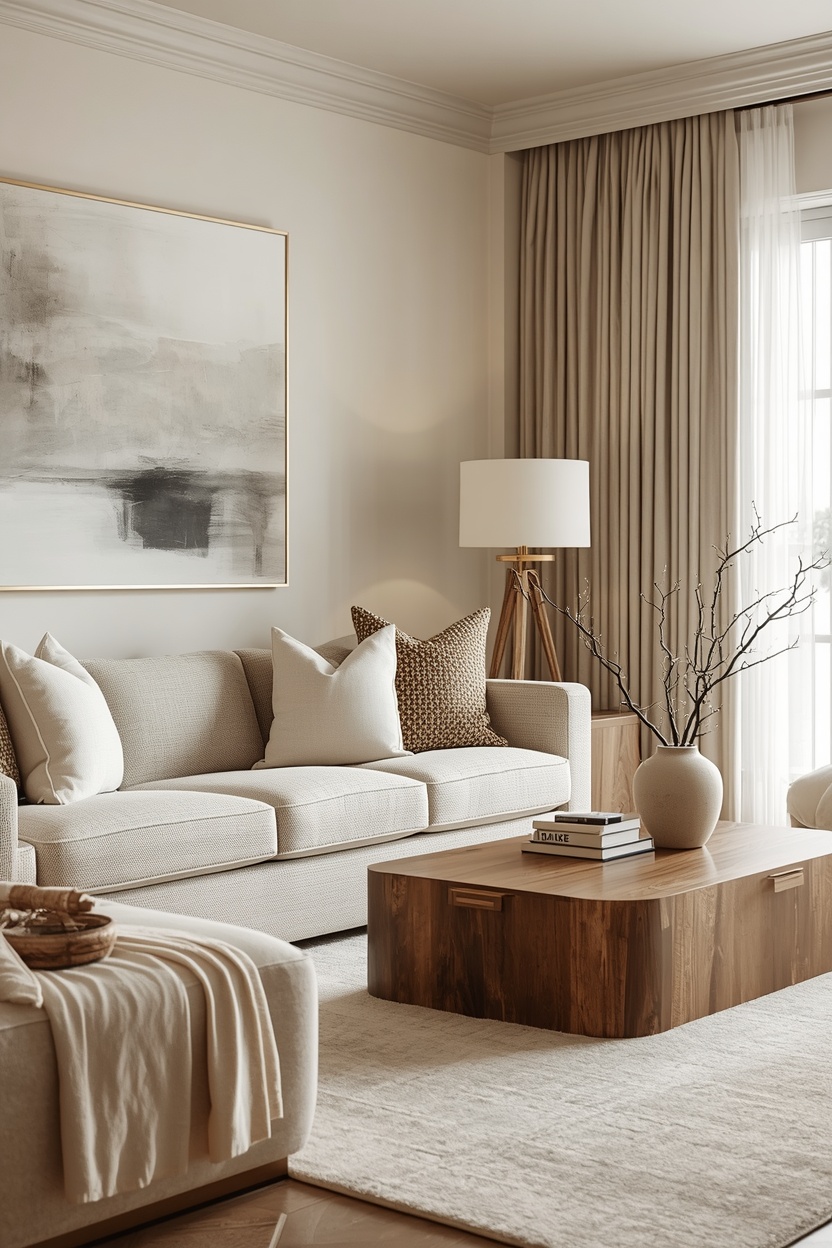
A beautiful home doesn’t have to come with a luxury price tag. With the right colors, thoughtful styling, flattering lighting, and a few well-chosen accessories, even a modest room can feel elegant, polished, and expensive.
The secret isn’t filling every corner with expensive furniture. It’s knowing what to change, what to simplify, and where small upgrades make the biggest visual difference.
Whether you’re refreshing a living room, updating a bedroom, or giving your entire home a more sophisticated look, these 15 budget luxury home decor ideas will help you create a stylish space without overspending.
One of the easiest ways to make a room feel more expensive is to create a coordinated color scheme.
Try warm white, cream, beige, taupe, soft gray, or muted olive. These shades create a calm foundation that works beautifully with natural textures, wood, and metallic accents.
You don’t need to repaint every wall. Start with the most visible area, then coordinate your cushions, curtains, bedding, and accessories around two or three complementary colors.
Budget tip: Use the colors you already own as a starting point. Replace only the accessories that clash with your chosen palette.
Harsh lighting can make even attractive furniture look ordinary. A layered lighting scheme creates depth and makes a room feel more inviting.
Combine your main ceiling light with a table lamp, floor lamp, or small accent light. Warm-toned bulbs can create a cozy atmosphere in living rooms and bedrooms.
If your budget is limited, start with one attractive lamp beside a sofa or bed. It can create a focal point without requiring a complete lighting renovation.
Budget tip: Look for simple lamps with fabric shades, ceramic bases, or understated finishes instead of paying extra for a recognizable designer label.
Curtains can change the perceived proportions of a room. When practical, install the curtain rod closer to the ceiling and extend it beyond the window frame. This can make windows appear larger and ceilings feel taller.
Choose curtains that reach the floor, with enough width to hang in soft, generous folds. Neutral linen-look fabrics and simple textures often create an elegant result.
Budget tip: Measure carefully before purchasing. Proper length and width usually matter more visually than an expensive fabric.
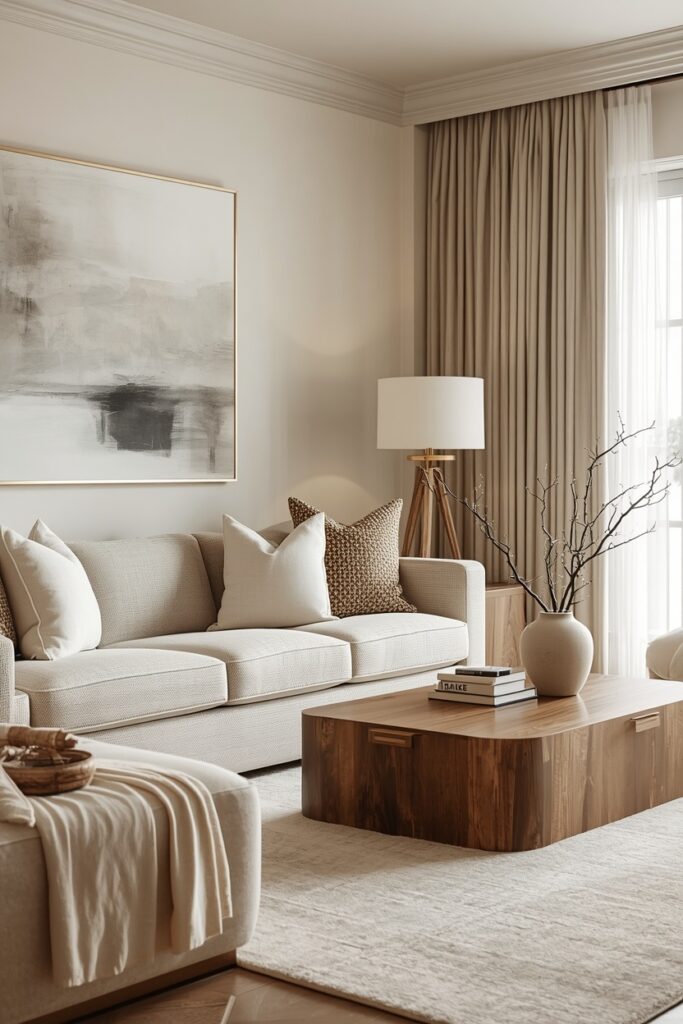
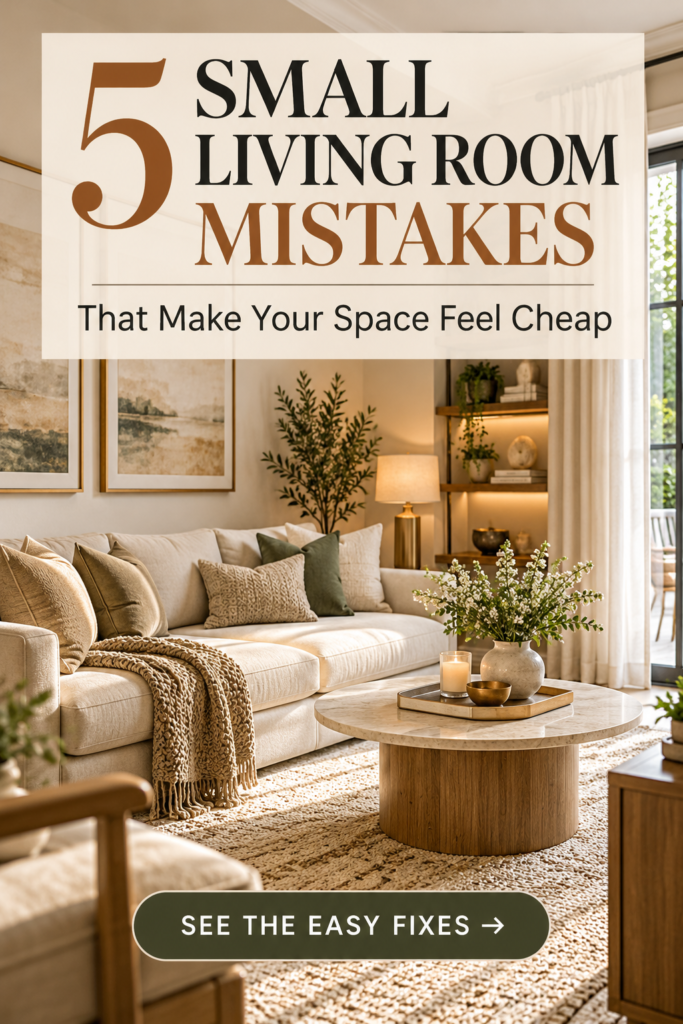
Your sofa is often one of the largest visual elements in your living room, so styling it well can have an outsized impact.
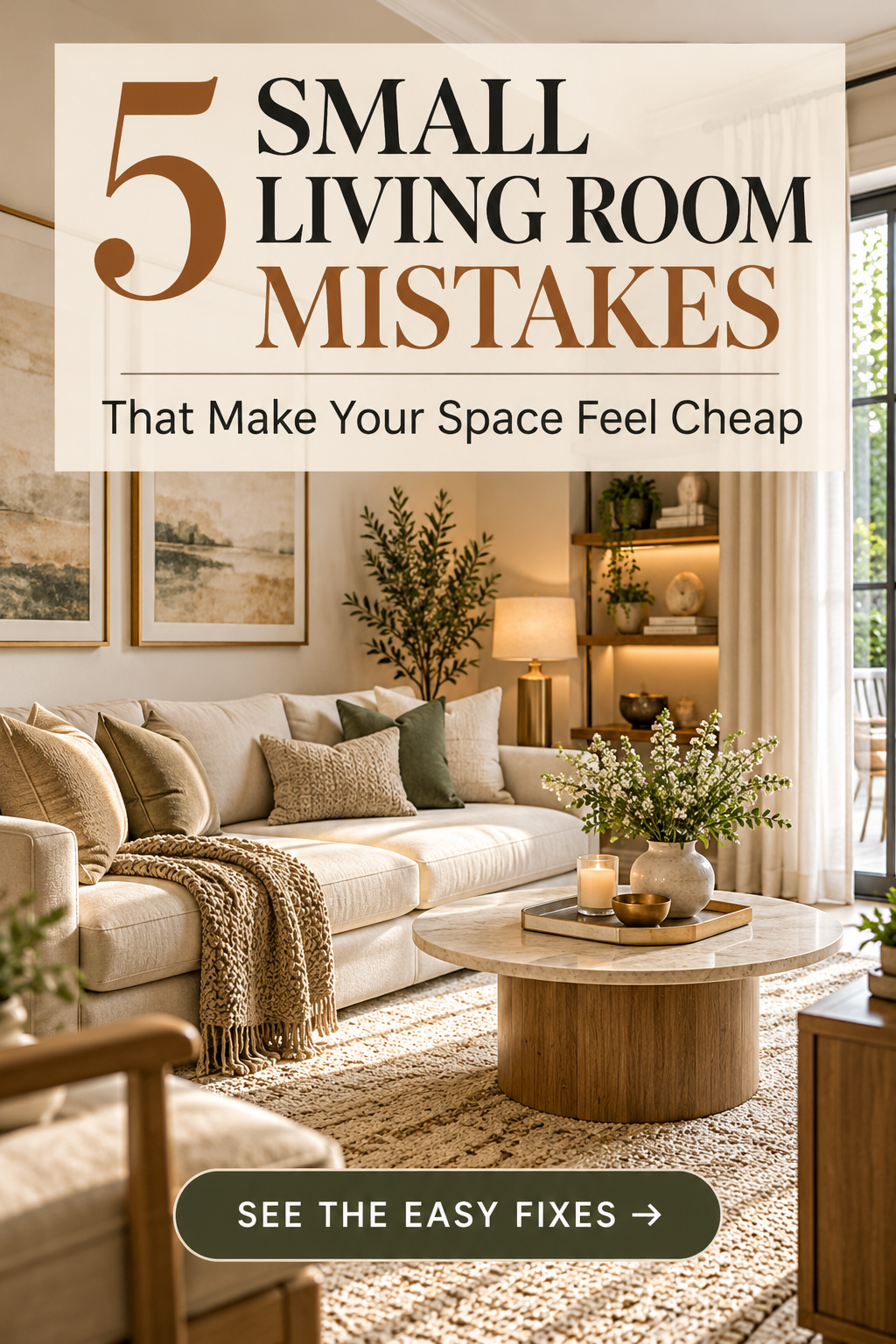
Use two or three complementary cushion colors, combine different textures, and add a throw with a relaxed, intentional drape. For example, pair cream cushions with a textured beige pillow and a muted brown or olive accent.
Avoid overcrowding the sofa with too many unrelated patterns and colors.
Budget tip: Replace only the cushion covers rather than buying entirely new cushions. Keep the existing inserts if they’re still comfortable and in good condition.
A coffee table can look more sophisticated when its accessories are arranged deliberately instead of scattered across the surface.
Try a simple grouping of three elements: a stack of books, a small decorative object, and a vase with greenery or flowers. A tray can help keep smaller items organized.
Leave some empty space so the table still feels functional.
Budget tip: Use books you already own, a secondhand tray, and seasonal greenery. You don’t need expensive designer accessories to achieve a balanced arrangement.
A well-positioned mirror can make a room feel brighter and visually more spacious. Place it where it can reflect a window, an attractive light source, or an uncluttered part of the room.
Choose a frame that complements your existing decor, such as simple black, warm wood, or brushed brass.
Budget tip: A clean-lined, affordable mirror can look more refined than an ornate frame that doesn’t suit the room.
Clutter can make a room feel visually busy, even when the furniture and decor are attractive.
Clear unnecessary items from countertops, coffee tables, bedside tables, and open shelves. Keep frequently used objects accessible, but give everything else a designated storage place.
You don’t need to make your home feel empty. The goal is to let your favorite pieces stand out.
Budget tip: Try a free decluttering session before shopping. You may discover that the room already has enough attractive items.
Open shelves can look sophisticated when they contain a thoughtful mix of objects rather than a collection of unrelated items.
Arrange books horizontally and vertically, add a ceramic vase or framed print, and vary the heights of objects. Repeat a few colors throughout the display to create visual consistency.
Leave some shelf space empty. Negative space helps the items you display feel intentional.
Budget tip: Rearrange existing books, frames, and decorative pieces before buying new shelf accessories.
A room decorated entirely in one flat material can feel unfinished. Texture adds richness without requiring bright colors or expensive furnishings.
Combine materials such as linen, cotton, wool-look fabrics, wood, glass, ceramics, and woven baskets. For example, a neutral bedroom can feel more inviting with a quilted coverlet, textured cushions, and a soft throw.
Budget tip: Introduce texture through small items first, such as cushion covers, a throw, or a woven storage basket.
A room doesn’t need dozens of decorative accessories to look expensive. One well-chosen focal point can make a stronger impression.
Consider a large piece of wall art, a distinctive floor lamp, an oversized vase, or a beautiful accent chair. Let the surrounding decor support that piece instead of competing with it.
Budget tip: Shop secondhand, compare affordable alternatives, or create a simple art print yourself. Scale, placement, and coordination often matter more than the price.
Small hardware changes can give older furniture a cleaner, more contemporary appearance.
Depending on the style of your home, consider replacing worn cabinet handles or drawer pulls with simple matte black, brushed brass, or brushed nickel options. Check measurements and fitting compatibility before purchasing.
This can work especially well on bathroom vanities, dressers, and kitchen cabinets.
Budget tip: Update a small, visible area first. Keep the original hardware in case you want to reverse the change.
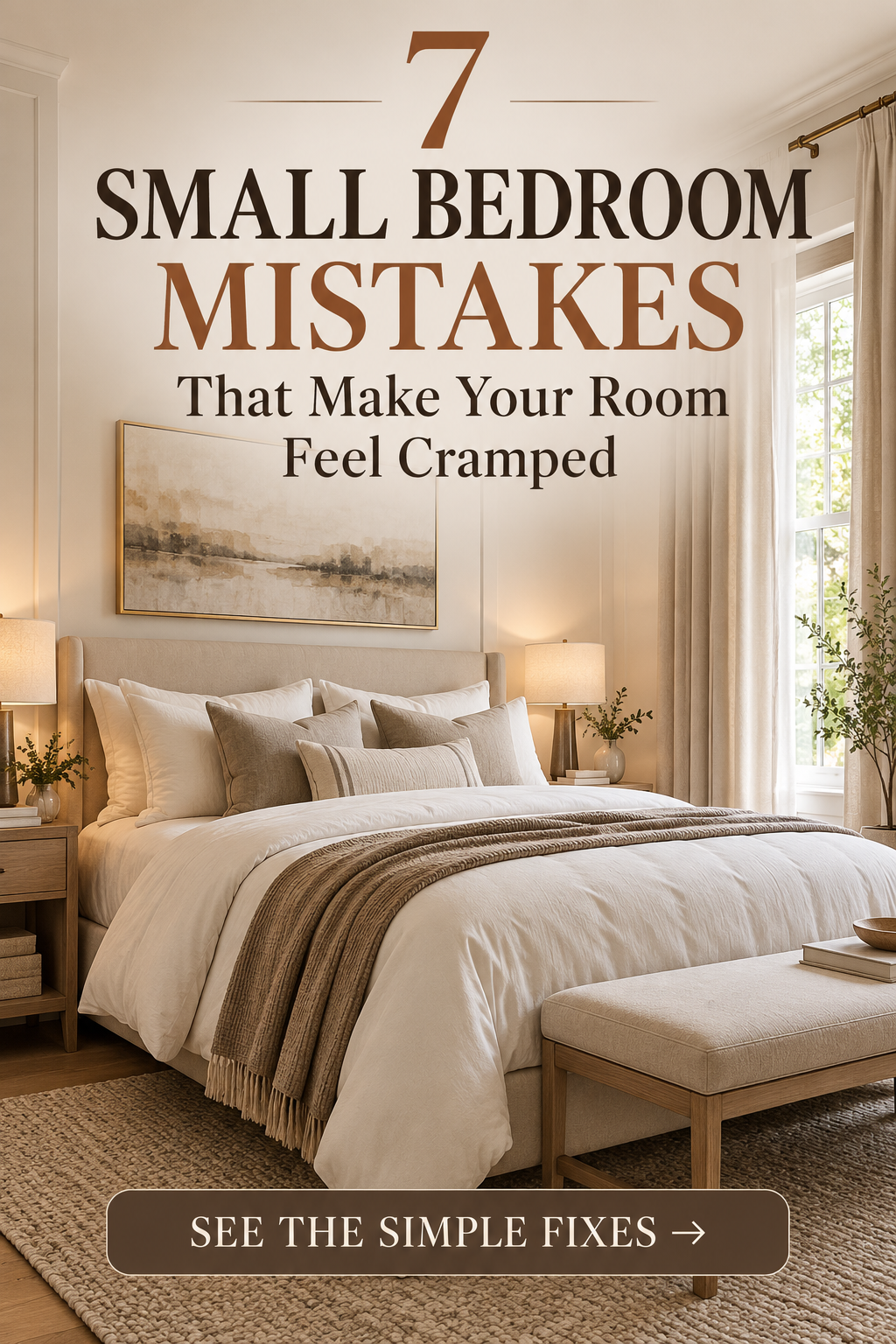
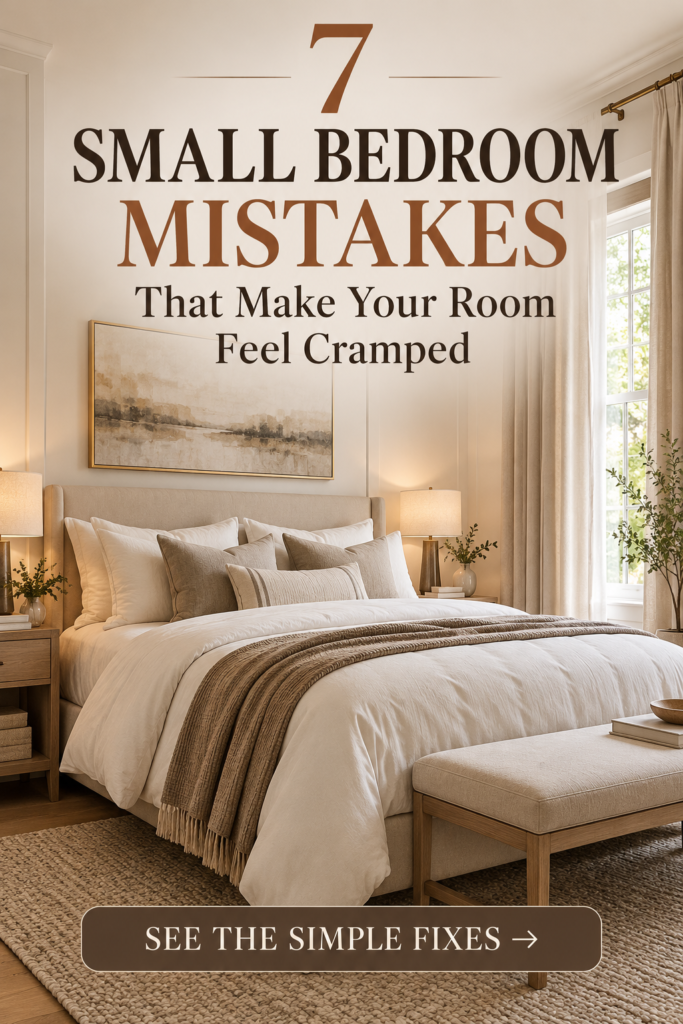
A calm, coordinated bedroom can feel luxurious without expensive furniture.
Start with neatly arranged bedding, a limited color palette, matching or complementary bedside lamps, and a clear bedside surface. Add one or two textured cushions and a throw folded neatly at the foot of the bed.
Avoid buying decorative bedding that looks beautiful but is uncomfortable to use. Comfort should come first.
Budget tip: Freshly wash, iron, or neatly arrange the bedding you already have before purchasing a new set.
Natural materials add warmth and help a room feel less artificial. A branch arrangement, leafy plant, wooden bowl, or ceramic vase can soften a space dominated by hard surfaces.
Choose plants suited to your room’s light and your ability to care for them. If live plants aren’t practical, a simple arrangement of dried stems can also work.
Budget tip: Use seasonal branches or greenery where appropriate, and repurpose attractive containers you already own as vases.
Your entryway creates the first impression of your home. Even a small entrance can look polished when it has a clear purpose and a few coordinated details.
Add a mirror, a small tray for keys, a simple lamp if space permits, or a basket for everyday essentials. Keep shoes, bags, and miscellaneous items organized rather than scattered across the floor.
Budget tip: If you don’t have room for a console table, use a narrow wall shelf or a small, well-organized surface instead.
The final touches help a room feel complete. These might include neatly arranged towels, coordinated storage containers, a framed print, fresh flowers, or a carefully placed decorative bowl.
The important thing is consistency. Repeat a few materials and colors instead of introducing a new style with every accessory.
Budget tip: Finish one room at a time. A few deliberate changes are usually easier to manage than a large shopping list.
If you want to refresh a room without spending too much, prioritize changes in this order:
The best order depends on your room and what you already own. There is no need to buy every item on this list.
Even affordable upgrades can disappoint if they’re not planned well. Watch out for these common mistakes:
Creating a luxurious-looking home is more about thoughtful choices than spending a lot of money. A coordinated color palette, softer lighting, well-fitted curtains, beautiful textures, and less clutter can transform how a room looks and feels.
Start with one room and choose two or three changes that fit your budget. Rearrange what you already own, compare prices carefully, and add new pieces only when they solve a real decorating problem.
Which room would you makeover first: your living room, bedroom, kitchen, or entryway? Choose your starting point and use these ideas to create a home that feels more polished, welcoming, and uniquely yours.